
Reviewed By Dr. Mike Bahman Norouzinia, DDS
Reading time: 4 minutes
Deep gum pockets are a common sign of periodontal disease, but they can often be reduced with the appropriate treatment. The earlier they are addressed, the better the chances of controlling the disease and preventing further damage to the gums and supporting bone.
What Causes Deep Gum Pockets?
A gum pocket is the small space between the tooth and the surrounding gum tissue. Healthy gums fit snugly around the teeth, creating shallow pockets that are easy to keep clean with daily brushing and flossing.
When periodontal disease develops, bacteria and inflammation damage the tissues that attach the gums to the teeth. As these tissues break down, the gums begin to separate from the teeth, creating deeper spaces known as periodontal pockets.
The deeper these pockets become, the easier it is for plaque, tartar, and bacteria to collect below the gumline, making them increasingly difficult to clean at home.
How Gum Pockets Are Measured
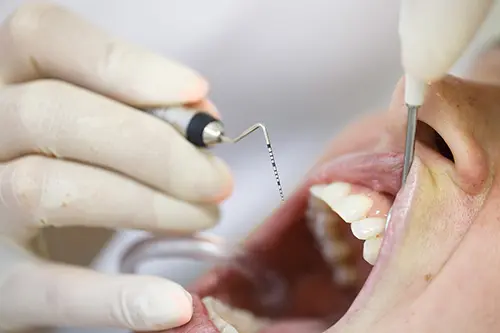
During a periodontal examination, the depth of the spaces between the teeth and gums is measured with a periodontal probe. The measurements help determine the severity of periodontal disease and guide treatment recommendations.
In general:
| Pocket Depth | What It Means |
| 1–3 mm | Healthy gums |
| 4 mm | Early periodontal disease may be present |
| 5–6 mm | Moderate periodontal disease |
| 7 mm or more | Advanced periodontal disease |
Your periodontal team also evaluates bleeding, inflammation, gum recession, bone loss, and tooth mobility to determine the severity of the disease and recommend appropriate treatment.
Reducing Deep Gum Pockets
Reducing deep gum pockets begins with treating the underlying periodontal disease. The appropriate treatment depends on the depth of the pockets, the amount of bone loss, and how advanced the disease has become.
Scaling and Root Planing
Scaling and root planing is often the first treatment recommended for periodontal disease. This non-surgical procedure removes plaque, tartar, and bacteria from below the gumline and smooths the root surfaces to help the gums heal.
As the gums heal and inflammation subsides, the tissue can reattach more closely to the teeth. This often reduces pocket depth and makes the area easier to keep clean.
Periodontal Maintenance
Once active periodontal disease has been treated, regular periodontal maintenance helps keep bacterial buildup under control and allows changes in pocket depth to be monitored over time.
These ongoing visits are an important part of preventing the disease from progressing or returning.
Osseous Surgery
If deep pockets remain after non-surgical treatment, osseous surgery may be recommended. During this procedure, the gums are gently lifted to allow access to bacteria and tartar that cannot be reached through routine cleaning.
Areas of damaged bone may also be reshaped to reduce pocket depth and create an environment that is easier to keep clean. By reducing the depth of the pockets, the gums become easier to clean and less likely to trap harmful bacteria.
Can Deep Gum Pockets Heal Naturally?
Good home care is important, but it cannot eliminate deep periodontal pockets once they have formed.
Brushing, flossing, and other daily oral hygiene practices help control plaque above the gumline and reduce bacterial buildup between professional visits. However, bacteria trapped deep beneath the gums require professional periodontal treatment.
The earlier periodontal disease is treated, the more successful treatment is often at reducing inflammation and limiting further damage to the gums and supporting bone.
Maintaining Healthy Gums After Treatment
Reducing deep gum pockets is only part of managing periodontal disease. Maintaining healthy gums requires ongoing professional care and consistent oral hygiene at home.
To help keep your gums healthy:
- Brush your teeth twice a day
- Clean between your teeth every day using floss, interdental brushes, or a water flosser
- Attend your recommended periodontal maintenance appointments
- Avoid smoking and other tobacco products
- Contact your dental provider if you notice bleeding gums, swelling, or changes in your oral health
Specialized Periodontal Care
Deep gum pockets often require more than routine dental care. Periodontists receive several additional years of specialized training focused on diagnosing and treating periodontal disease, bone loss, and the supporting structures of the teeth.
At Highlands Ranch Periodontics & Implant Center, Dr. Norouzinia provides comprehensive periodontal evaluations to determine the severity of the disease and recommend treatment based on your individual needs.
Our goal is to control periodontal disease, reduce pocket depths whenever possible, and help you maintain your natural teeth for as long as possible.
Periodontist in Highlands Ranch, CO
If you’ve been referred to a periodontist or have concerns about your gum health, contact Highlands Ranch Periodontics & Implant Center to schedule a comprehensive periodontal evaluation.
To book an appointment at our periodontal office in Highlands Ranch, call (303) 683-1144 or visit us at 9090 Ridgeline Blvd #225, Highlands Ranch, CO 80129.
FAQs
Healthy gum pockets typically measure 1 to 3 millimeters. Pockets measuring 4 millimeters or more may indicate periodontal disease, while pockets of 5 millimeters or greater generally require periodontal evaluation and treatment.
You cannot usually see a gum pocket just by looking in the mirror. Gum pockets are spaces that develop between the teeth and gums as the gum tissue pulls away from the tooth. A dentist measures their depth during a periodontal examination using a small measuring instrument called a periodontal probe.
No. Once deep gum pockets have developed, brushing, flossing, and other home care measures cannot remove the bacteria and tartar trapped beneath the gumline. Professional periodontal treatment is needed to reduce inflammation, manage the disease, and help reduce pocket depth. Good home care remains essential for maintaining healthy gums after treatment.
The only way to know if gum pockets are improving is through a periodontal examination. During your maintenance visits, your periodontist will measure the pockets and evaluate signs of healing, such as reduced bleeding, less inflammation, and improved gum attachment. Shallower pocket depths often indicate that treatment has been successful.