
Reviewed By Dr. Mike Bahman Norouzinia, DDS
Reading time: 4 minutes
If periodontal disease is left untreated, it can progressively damage the gums and bone that support your teeth. Over time, this may lead to gum recession, bone loss, loose teeth, and eventually tooth loss, even when the condition causes little or no pain.
Untreated Periodontal Disease Can Lead to Tooth Loss
Periodontal disease damages the tissues that hold your teeth in place. As inflammation and infection continue below the gumline, the gums can separate from the teeth and the supporting bone can gradually break down.
The condition does not progress at the same rate for everyone. Smoking, diabetes, genetics, oral hygiene, and other health factors can affect how quickly damage develops. Some people notice obvious changes, while others have few symptoms until significant bone loss has occurred.
How Periodontal Disease Progresses
Periodontal disease generally becomes more destructive as inflammation moves deeper below the gumline. The changes that occur depend on how advanced the condition has become.
Gingivitis Causes Gum Inflammation
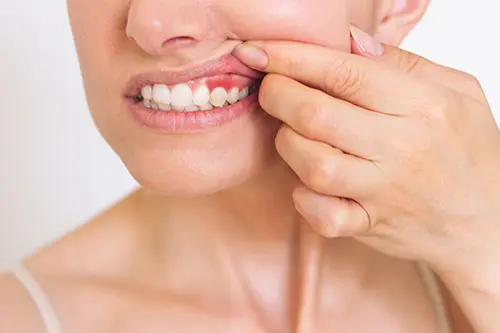
Gingivitis is the earliest stage of gum disease. Plaque collects along the gumline and causes inflammation, but the bone and other supporting structures around the teeth have not yet been damaged.
Common signs include:
- Red or swollen gums
- Bleeding while brushing or flossing
- Tenderness along the gumline
- Persistent bad breath
Gingivitis can usually be reversed with professional cleaning and consistent home care. Once gingivitis progresses to periodontal disease, however, the infection begins to affect the tissues that support the teeth.
Periodontal Pockets Begin to Form
As gum disease progresses to periodontitis, the gums pull away from the teeth and form periodontal pockets. Bacteria, plaque, and tartar can collect inside these spaces where brushing and flossing cannot fully reach.
As the pockets deepen, infection can extend farther below the gumline. Gum recession, tooth sensitivity, persistent bad breath, or a bad taste may develop.
Bone and Supporting Tissue Break Down
Advanced periodontal disease can damage the ligaments and jawbone that support the teeth. Bone loss often develops without significant pain, which means periodontal disease can become more advanced before a person realizes how much damage has occurred.
Teeth May Shift or Become Loose
Teeth become less stable as they lose supporting bone. You may notice new spaces between teeth, changes in your bite, or movement when chewing.
Periodontal Abscesses Can Develop
Deep periodontal pockets can trap bacteria and infected material. In some cases, an abscess can form in the tissues beside a tooth.
Signs of a periodontal abscess may include:
- Localized gum swelling
- Pus near the gumline
- Pressure or throbbing pain
- Pain when biting
- A sudden bad taste
- Fever or facial swelling
A periodontal abscess requires prompt evaluation. Facial swelling, fever, difficulty swallowing, or difficulty breathing requires urgent medical or dental care.
Periodontal Disease and Your Overall Health
Periodontal disease affects more than the tissues immediately around your teeth. The chronic inflammation associated with periodontitis and the bacteria found below the gumline have been linked to several aspects of overall health.
Research has found associations between periodontal disease and conditions such as diabetes and cardiovascular disease. These connections do not mean that gum disease directly causes these conditions, but they highlight the importance of managing ongoing periodontal inflammation.
The relationship between gum disease and overall health is especially important for people with diabetes. Poorly controlled blood sugar can make periodontal disease more difficult to manage, while periodontal inflammation may also make blood sugar more difficult to control.
Can Periodontal Disease Be Cured?
Periodontitis can be treated and controlled, but it is generally considered a chronic condition that requires ongoing care. Treatment can control the infection and help prevent further damage, although bone and tissue that have already been lost cannot always be restored.
Established periodontitis requires professional treatment because brushing and flossing cannot remove tartar from deep periodontal pockets. The treatment recommended depends on the depth of the pockets, the amount of remaining bone support, and how the affected areas respond to initial care.
Treatment may include:
- Scaling and root planing to remove plaque and tartar below the gumline
- Laser periodontal therapy or periodontal surgery for areas that remain difficult to clean
- Regenerative procedures in selected areas with bone or tissue loss
- Periodontal maintenance to control bacterial buildup and monitor the condition after active treatment
Ongoing maintenance is especially important because periodontal disease can become active again. Regular periodontal visits allow us to monitor pocket depths, bleeding, recession, bone support, and tooth stability over time.
Have Your Gums Evaluated
Bleeding gums, gum recession, persistent bad breath, or loose teeth can be signs that periodontal disease is affecting the tissues supporting your teeth. A periodontal evaluation can determine how much damage has occurred and what treatment may help protect the remaining support.
At Highlands Ranch Periodontics & Implant Center, Dr. Norouzinia provides specialized periodontal care based on the condition of your gums, bone, and teeth.
To book an appointment at our periodontal office in Highlands Ranch, call (303) 683-1144 or visit us at 9090 Ridgeline Blvd #225, Highlands Ranch, CO 80129.
FAQs
How quickly does periodontal disease progress?
The rate varies considerably from person to person. Some periodontal disease progresses slowly over years, while certain risk factors, including smoking, poorly controlled diabetes, and inadequate plaque control, can increase the likelihood of more rapid progression.
What happens if you never get a deep cleaning?
If scaling and root planing has been recommended for periodontal disease and the condition is not treated, bacteria and tartar can remain below the gumline. Periodontal pockets may deepen and additional gum and bone loss can occur over time.
Is it ever too late to treat advanced periodontal disease?
Not necessarily. Even advanced periodontal disease can often be treated to control infection and preserve teeth that still have adequate support. The treatment options depend on the amount and location of bone loss, tooth stability, and other factors identified during a periodontal evaluation.