
Reviewed by Dr. Kerri Font, DDS
Reading time: three minutes
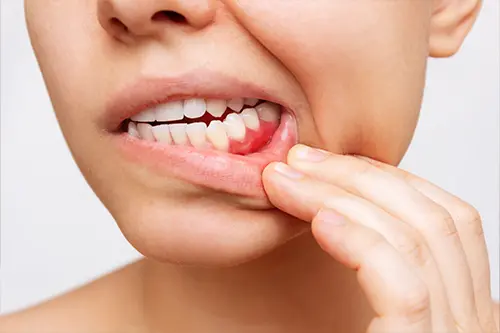
Bleeding gums during brushing or flossing are often one of the first signs that your gums are irritated or inflamed. While occasional bleeding may seem minor, it usually indicates that plaque buildup, gum inflammation, or another issue needs attention. Identifying the cause early helps protect your gum health and prevent more serious periodontal problems.
Causes of Bleeding Gums
Bleeding gums can result from several factors, ranging from mild irritation to more advanced periodontal conditions.
Plaque Buildup and Gingivitis
When plaque is not removed effectively, it accumulates around the cervical margins of teeth, especially near the premolars and molars. This buildup can lead to gingivitis, the earliest stage of gum disease, characterized by inflammation that increases the likelihood of bleeding with routine oral hygiene.
Early or Advanced Gum Disease
If gingivitis progresses, it may develop into periodontitis, a more advanced form of periodontal disease. At this stage, inflammation extends deeper, affecting the supporting bone and periodontal ligaments. Bleeding may become more frequent and may occur without brushing.
Brushing Technique
Using a hard-bristled toothbrush or applying excessive pressure can irritate the gingival margin. This may cause bleeding even in otherwise healthy tissue.
Inconsistent Flossing
Without consistent flossing, plaque can accumulate between teeth and along the gumline, leading to inflammation. Bleeding is often due to existing inflammation rather than damage from flossing itself.
Medical and Systemic Factors
Certain conditions and medications can affect gum health.
These may include:
- Hormonal changes
- Blood-thinning medications
- Vitamin deficiencies, particularly vitamin C or K
- Conditions that affect immune response
How to Stop Bleeding Gums
Reducing gum bleeding involves addressing inflammation from plaque accumulation.
Steps that may help:
- Brushing twice daily with a soft-bristle toothbrush using gentle pressure
- Cleaning along the gumline, not just the tooth surface
- Flossing daily to remove plaque between teeth
- Using an antimicrobial mouthwash when recommended
- Scheduling professional dental cleanings to remove hardened plaque (calculus)
Consistency is important. In many cases, gums begin to improve within several days of proper oral hygiene, though complete resolution may take longer depending on the severity.
When to See a Periodontist for Bleeding Gums
If you are looking for a dentist for bleeding gums, a periodontist provides specialized care for gum inflammation, gum disease, and the supporting structures around the teeth. An evaluation is recommended if bleeding:
- Persists for more than one to two weeks
- Occurs without brushing or flossing
- Is accompanied by swelling, gum recession, or bad breath
- Involves loose teeth or changes in bite
A periodontal exam can determine the cause and extent of the condition. Based on the findings, care may include targeted treatment for gingivitis or periodontal disease, and guidance on brushing and flossing techniques to reduce inflammation and support gum health.
Periodontal Evaluation
At Highlands Ranch Periodontics and Implant Center, Dr. Mike Norouzinia, DDS, and Dr. Kerri Font, DDS, provide specialized care focused on diagnosing and treating gum disease at every stage. As experienced periodontists, they evaluate the health of the gums, supporting bone, and surrounding structures using detailed clinical measurements and imaging when needed.
Their expertise goes beyond routine dental care, allowing them to identify early signs of periodontal disease, bone loss, and other conditions that may affect long-term oral health. Treatment recommendations are based on the severity of inflammation, the condition of the supporting tissues, and each patient’s individual needs to support lasting gum health.
Gum Health and Disease Management in Highlands Ranch, CO
To book an appointment at our periodontal office in Highlands Ranch, call (303) 683-1144 or visit us at 9090 Ridgeline Blvd #225, Highlands Ranch, CO 80129.
FAQs
Bleeding may improve with better oral hygiene, but the underlying cause should still be addressed. Persistent bleeding should be evaluated by a dental professional.
Not always. While gingivitis is the most common cause, bleeding can also result from brushing technique, medications, or systemic conditions.
No. Bleeding is often a sign of inflammation caused by plaque buildup, and stopping brushing can allow that irritation to get worse. Continue brushing gently with a soft-bristled toothbrush and flossing carefully to help reduce inflammation and support healthier gums.